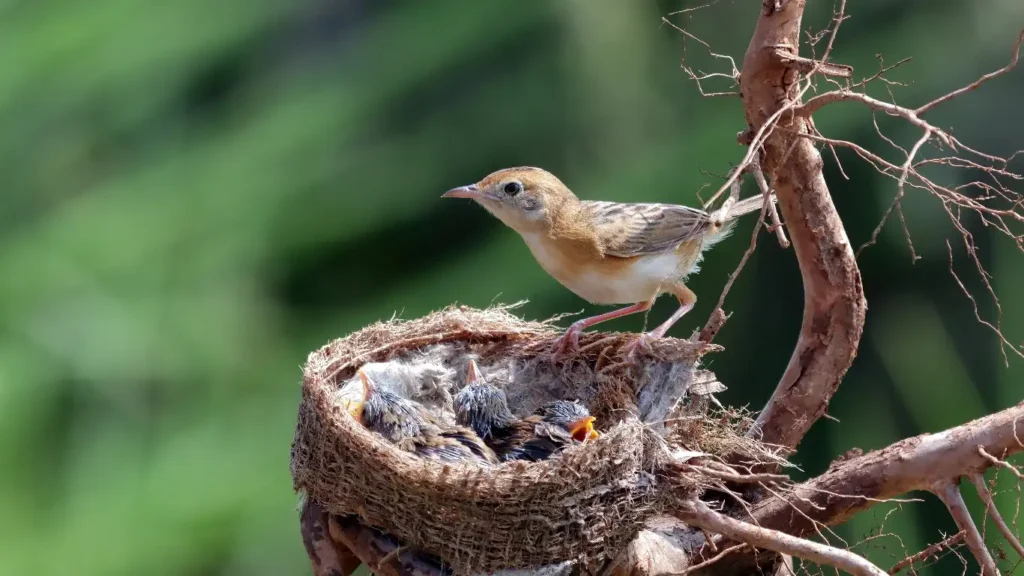
Choosing the correct nesting material is important for a comfortable and safe pet or aviary environment. While birds use natural materials like grass, twigs, and fibers to create nests, materials readily available at home pose risks.
This naturally occurring plant fiber (coconut) can be a good choice when used correctly. But it’s important to know the material you’re providing.
Safe Bird Nesting Material.
Birds carry, shape, and weave strands of nesting material when building their nests, so whatever is accessible may eventually become part of the nest.
The wrong nesting materials may get wrapped around the feet, wings, and neck of a bird, creating a hazard where their feet can be constricted, or blood may no longer be able to travel to parts of the body, which in turn results in lost toes/feet or wing damage. Moisture-absorbing materials can also have implications regarding hygiene.
Therefore, it is prudent to check the type and suitability of each individual component as you select the most beneficial nesting material for your species.
Coconut Fiber Nesting Material.
Obtained from the natural outer layer of the coconut. Properly processed (untreated), the fibrous strands make a suitable alternative to synthetic materials and potential avian nesting dangers.
The strands are a good length in terms of both flexibility, which allows for easy arrangement by the bird, and stability, enabling creation of a comfortable structure without making it too rigidly constructed to be manipulated or reshaped if required.
The pure, untreated fiber does not use dyes and has no added chemicals; therefore it becomes a highly desirable material.
Is the Coconut Fiber safe to use as Bird Nesting Material?
Generally, yes, if the fiber has been cleaned and processed correctly coconut fiber can be a suitable material but when it has been improperly prepared too long and coarse it poses a threat as the risk to legs feet and other limbs becoming entangled does remain high, the strands should not be so long and coarse to be twisted and tightly wound around limbs during the nest formation.
It should be dry, clean, pesticide-free, and contain no harmful chemicals or dyes.
Coconut Fiber VS. Yarn and String.
It appears that yarn and string are easy to use since birds can unravel it to pull apart the threads required, but these pose a serious entangling hazard, as a length of string can wrap itself around a bird’s leg or wing, preventing blood circulation; a bird might then lose a leg/toe or wing due to lack of blood flow or simply damage. Coir fibers are not so inclined to entwine so intensely as strings, but owners must still ensure fiber length is not excessive.
What About Dryer Lint and Human Hair?
Dryer fluff is not recommended nesting material, as after moisture it clumps and provides very little security from hazards; when it becomes saturated, it may also incorporate trace amounts of fabric treatment and detergents. Human and long pet hair, like fiber, will also wrap around fragile toes and legs very quickly, potentially cutting off circulation; both seem fluffy and soft, but this is not a definitive marker for bird material safety.
Natural Alternatives to Coconut Fiber.
Suitable alternative nesting materials may include lengths of fine grass, straw (untreated), small twigs, and perhaps undyed feathers, which are suitable for some breeds of bird in a nesting context depending on the environment; remember each species and setup may require slightly different materials, and the bird will determine what the best materials are by using those it perceives are best.
What are the ideal nesting materials to use?.
Some things to consider, as well as the material being natural. The ideal material would be: clean and chemical-free, suitably sized, flexible, not prone to tangles, resistant to moisture, and have no sharp parts which could potentially harm the bird. It isn’t what’s called ‘natural’ that makes it suitable.
Using Coconut fiber as reptile and bird substrate.
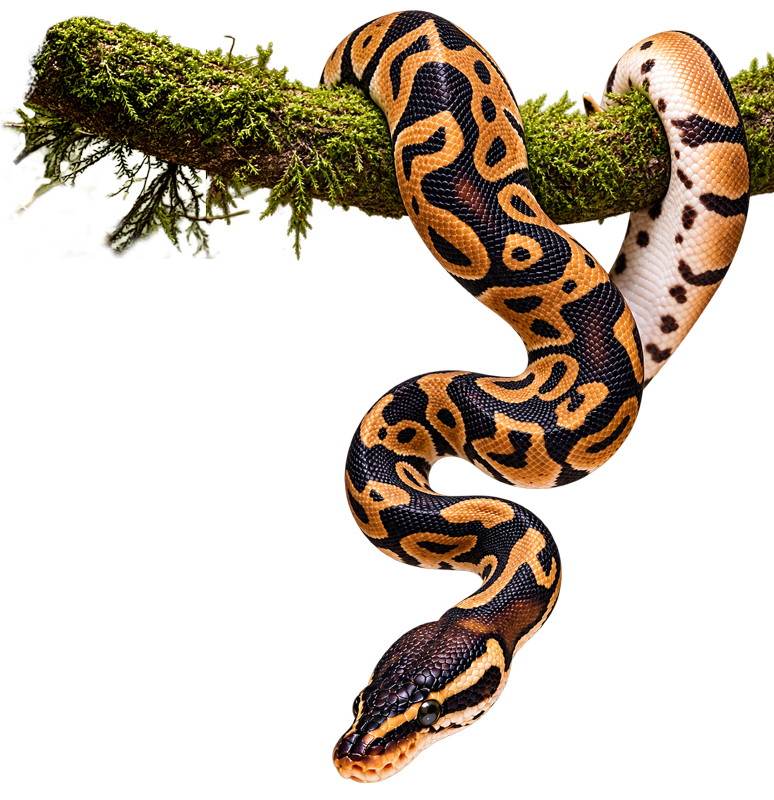
Similarly, it also acts as a beneficial nesting environment and substrate for reptiles when the fiber has been processed and sized correctly. As a reptiles a, different species the materials would differ. However, coconut fiber can still be applied as reptile bedding substrate. But you should not use materials intended for reptilian bedding as avian nesting material without carefully considering their suitability for bird species, specifically the species of bird you intend to house.
Using Reptilair to help find bird and reptile appropriate material.
Reptilair works on the principle that animal care is about providing species-appropriate care that reflects the natural needs and environments for the individual; providing an appropriate nest material and species-unique substrate is a critical element to that care. Using appropriate, treated (where necessary) or untreated, prepared materials such asCoconut Fiber with Reptilair in the Reptile community can work as an excellent environment and, in birds’ case, create a wonderful environment for nest building.
Conclusion.
While string, yarn, and plastic are possible but not advisable alternatives for bird nesting materials because they could wrap a bird badly, coconut fiber can provide a safer, more usable alternative which would offer an environment that the bird can mould and reshape as it wishes. Coconut Fiber remains in bird nests, allowing great breathing atmosphere in a nest, though the risk does exist of long fibers becoming entwined around a part of the bird.
Providing such a purpose-appropriate nesting material to the birds is safe if the correct material choice is made. It helps to overcome most disadvantages of the other common available choices and provides a safe nest environment for the birds to successfully nest in.