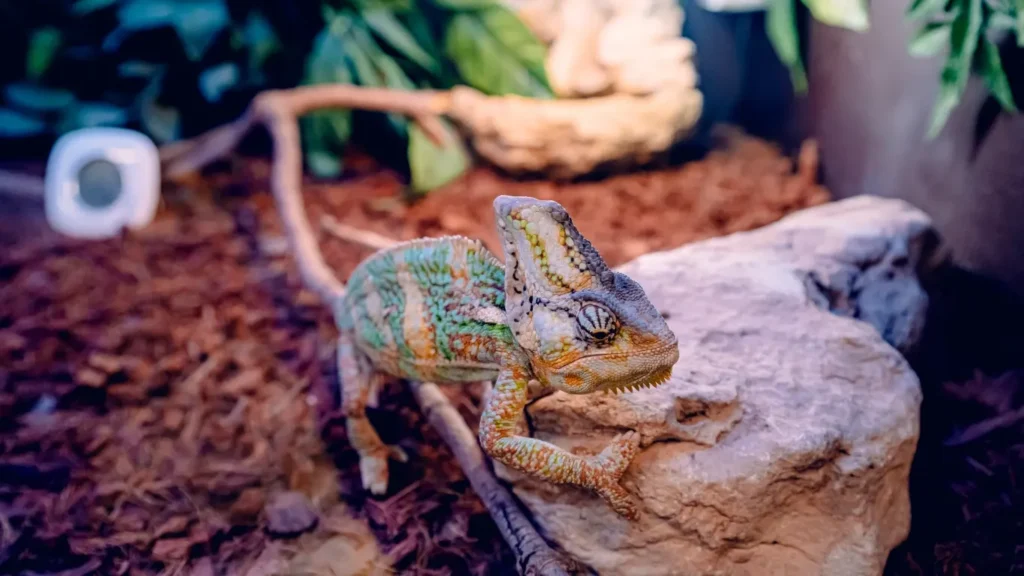
Humidity is an essential aspect of proper reptile care. Proper humidity levels impact the shedding, hydration, and wellness of reptiles in captivity. It is, however, different for every kind of reptile based on their natural environment.
Regardless of what reptile you keep – a gecko, a snake, or other – a bit of knowledge about reptile enclosure humidity will go a long way when it comes to providing a healthy environment. Check out some ideas below.
1. Why Humidity Matters
Humidity is the level of moisture in the air. Just like us, reptiles need humidity at certain levels to perform a number of functions.
– Healthy shed: Appropriate humidity allows many reptiles to shed their skin normally, and it can help prevent retained shed.
– Hydration: Environmental moisture may aid in hydration, especially in humid forest-dwelling species.
– Comfort and wellbeing: Conditions representative of the reptile’s natural environment promote normal behaviour and good health.
On the other hand, humidity that is constantly too low or too high can lead to problems. Low humidity might be a factor in shedding problems with some species; too much humidity and inadequate ventilation can lead to mould and poor enclosure conditions.
2. Know Your Reptile’s Humidity Requirements
There isn’t any one setting of humidity that will work for all reptile species, with some reptiles adapted to more arid conditions than others, others used to tropical conditions, and others still from very humid environments.
Look up the care needs of your reptile before making the change. Certain kinds of reptiles have a humidity gradient in their enclosure – one end is higher than the other. Other kinds of reptiles may occasionally require a jump in humidity.
Knowing the right reptile humidity levels for your animal takes the guesswork out of things. Refer to reliable, species-specific reptile husbandry guides and speak to a reptile-knowledgeable vet if you are unsure.
3. Use a Hygrometer to Measure Humidity
A hygrometer is another good tool for keeping track of your enclosure.
Position the device in an area that can accurately measure the environment your reptile is exposed to. For bigger enclosures with a gradient or high humidity, recording a couple of spots may be useful.
Monitor the readings daily at several points throughout the day. Humidity levels will vary depending on the temperature, ventilation, misting, and the moisture content of the substrate.
A hygrometer will tell you if your modifications are having any effects instead of going by the appearance or sensation of your enclosure.
4. Choose the Right Substrate
The type of substrate that is on the floor of the enclosure also plays a role in the retaining and releasing of moisture. Some substrates hold moisture while others are quick to dry.
The substrate should be an appropriate environment for your animal while also helping to keep the environment clean and well-ventilated. For enclosures that need moisture, coir-based substrates might be able to provide higher humidity levels depending on the product and how it is prepared.
When selecting a reptile bedding substrate, be sure it is appropriate for your reptile. Do not forget to take into consideration factors such as ingestion, burrowing, cleanliness, and potential moisture issues. No substrate can substitute for proper humidity gauges and enclosure care.
5. Maintain Proper Ventilation
Proper ventilation allows fresh air to pass through the enclosure and minimizes the possibility of stagnant conditions that are too moist. Reptiles that prefer high humidity also need an enclosure that has ventilation that can be adjusted so the reptile can benefit from as much moisture retention while still allowing airflow.
Substrate remains constantly moist with insufficient ventilation. As a result, any noxious forms of mould, bacteria or other parasitic organisms can flourish. Excessively high levels of ventilation – this can lead to evaporation removing too much moisture in some forms of setup.
Modify your ventilation based on your reptile’s requirements and perform daily visual checks of the enclosure for condensation or other unusual moisture issues, including odours or wet spots or other signs of moisture build-up.
6. Adjust Moisture Levels Carefully
If you are below the ideal level of humidity, then you could try one of the following:
– Misting: Lightly mist the cage if it is appropriate for the species (based on the how-to article).
– Water bowls: Use a bowl that is appropriate in size and not likely to tip over, and ensure that the water is clean. The amount of humidity that the bowl produces varies with the type of enclosure.
– Substrate moisture: If it’s suitable, moisten a moisture-absorbing substrate lightly, as indicated in the product instructions.
– Some herpetofauna prefer a humid hide for a localised moist atmosphere.
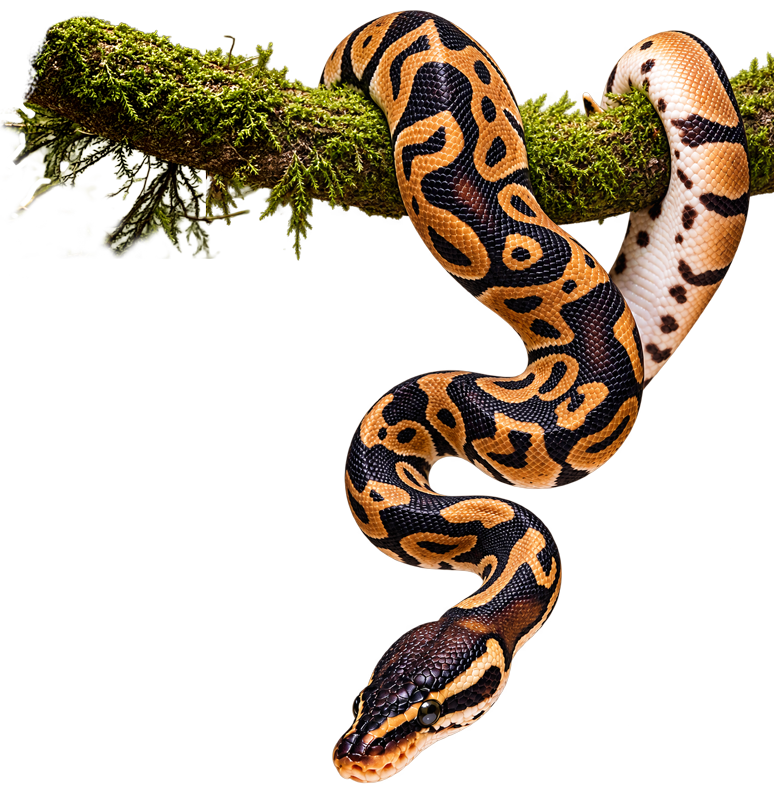
If you are looking for how to raise humidity in snake tank conditions, the first things you should look at are the hygrometer, the state of the substrate, and ventilation. Adjust gradually rather than flooding your enclosure, and remember that too much humidity is just as harmful as not enough.
7. Monitor Humidity Regularly
Maintaining humidity is constant. Monitor the readings, your animal’s behaviour, and the condition of your cage daily.
Remember that if humidity varies significantly over time, you should look for reasons such as room conditions, heating, vents, use of water, or how dry the substrate is. Change one thing at a time in practical areas and observe how it affects the humidity.
Along with maintaining a plain log of humidity levels, you may notice some trends and get used to making more uniform adjustments. Don’t forget, temperature and humidity work together, so always monitor both.
Provide an Appropriate Environment for Your Reptile
Reptile humidity is vital to successful reptile keeping. Learn how to maintain reptile humidity by knowing about your reptile, measuring humidity, selecting a substrate, and providing good ventilation. Regularly measuring humidity in the enclosure will help to keep your reptile healthy and able to shed regularly, stay hydrated, and exhibit normal behaviour.
The reptile substrates of Reptilair in coir may be an option to look at, as they do seem to be suitable for some reptile habitats where moisture is advantageous. Follow the instructions listed on the packet and study the reptile care recommendations to keep their environments safe, clean, and humid.