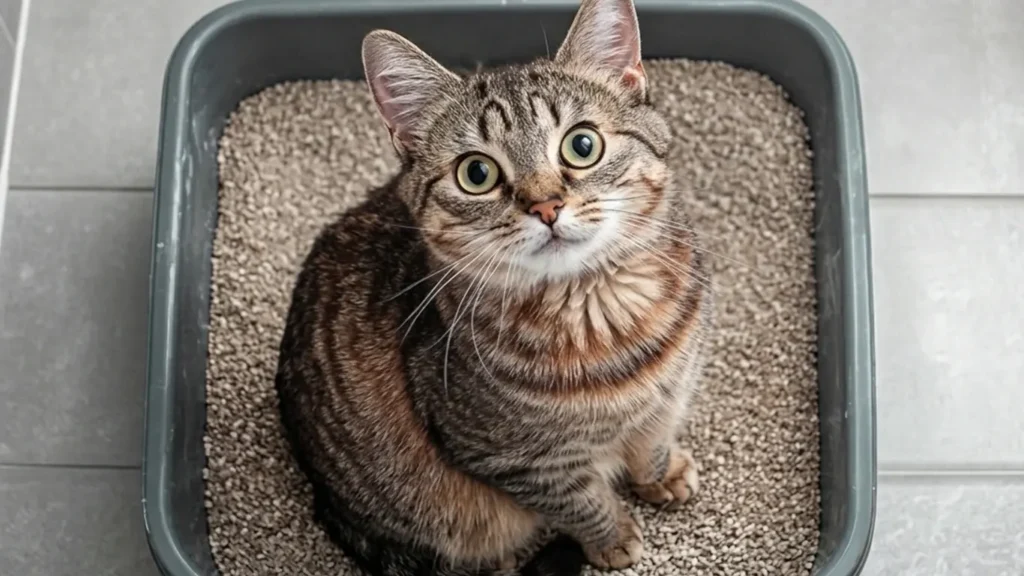
Selecting the best cat litter can be a challenge. Clumping, non-clumping, clay-based, natural, plant-based- the choices can be a lot to sift through. Read on to learn about the different types of cat litter and which are the most comfortable, clean, safe, easy, and natural for your feline friend.
Things to keep in mind when selecting cat litter.
1. Absorbency
Good absorbency helps with urine and ensures there is less mess between cleanings. Well-absorbing litter means fewer wet patches and easier daily cleaning.
The types of materials that make up a litter can affect its absorption properties. Some will clump easily when wet and others will not. Look at how your preferred type of litter reacts when it gets wet.
2. Odour Control
Odours can build up from urine and waste in the litter tray. Choosing a litter that controls odours by trapping moisture and discouraging the build-up of smells is a good solution.
If the smell is a real issue, a good choice of the best cat litter for odour control will depend on your cat’s requirements, as well as your home and how you live. Unscented might be better for a cat that is more sensitive to smell. And don’t forget to scoop daily and clean the tray – cat litter only absorbs so much.
3. Dust Levels
Certain types of cat litter are also another common cause of dirty litterboxes. There are some brands of cat litter that create dust when being poured, moved, or scratched. Dust will settle and land around and on the litter box and surrounding areas, which can be a pain to clean.
Use dust-free litter to cut down on dust and mess in the house. This could be especially beneficial if you keep your cat’s litter tray indoors. Dust levels are often mentioned in the product description and reviews, along with the cat’s reaction.
4. Texture and Comfort
Cats may be picky about the texture of their litter. Do they prefer something coarser or softer?
Good texture can motivate your cat to keep using the litter tray. If your cat stops using the tray after you start using a new product, it’s likely that the texture, scent, location or cleanliness of the tray is the issue. Select a litter your cat is happy with to do the job.
5. Clumping or Non-Clumping Litter
There are two basic types of cat litter: clumping and non-clumping.
– Clumping litter: clumps and stays together after coming in contact with urine and moisture, so owners can scoop up the urine and waste without having to completely change out the entire box.
– Non-clumping litter absorbs moisture but doesn’t bind into a solid mass. It needs to be removed and replaced more often than clumping litter.
All can work effectively. Make your choice based on how easily you will be able to clean the tray, the effectiveness of the product, and your cat’s preferences.
6. Natural and Eco-Friendly Options
There are also other natural and sustainable cat litters, such as wood, recycled paper, and plant-based litters. Some owners prefer these alternatives to traditional mineral kitty litters.
In other words, natural is not necessarily biodegrable, compostable or ‘be all and end all’ safe for every disposal option. When wondering “is cat litter biodegrable”, look to the ingredients and manufacturers’ information. Biodegradability varies according to the material and processing used, while the requirements for disposal are set by local waste-management regulations.
Select cat-specific cat litter and dispose of it per the manufacturer’s recommendations. Do not flush litter unless it’s approved by the manufacturer and your local plumbing and wastewater authority.
7. Ease of Cleaning
An easily maintained litter can make your daily routine as a cat owner much easier. Think about the ease of removal of waste, if the litter adheres to the surface of the tray and the frequency of changing the entire litter.
How frequently you need to change the cat litter varies based on the type of litter you are using, the number of cats you have using the box, and the instructions on the manufacturer’s label. Do not forget to scoop it out, change it as recommended, and wash out the tray routinely.
8. Your Cat’s Preferences
A high-quality litter might not be the perfect choice for every single cat. Some cats just aren’t interested in perfume, and changes in texture or unfamiliar litter can also be a problem.
If you are changing products, it’s best to introduce the new litter gradually. Mix a little of the new litter with the old and gradually increase this if your cat is happy with it. Keep an eye on their behaviour and ensure a clean, accessible tray.
Additionally, all products aimed at cats are not necessarily interchangeable with other animal substrates. For instance, a reptile bedding substrate is created to meet specific habitat needs and therefore it should not be used in the litter box unless labeled specifically for cats.
Finding the Right Cat Litter
When choosing the right cat litter for your cat, you should look for a good combination of absorbency, odour control, dust-free content, comfortable packaging and ease of cleaning. Natural products may be a good choice for some, but it will depend on your cat’s preferences and your needs at home.
Reptilair cat litter products can be an additional alternative for your customers who are looking for alternative bedding and litter material. As always, before recommending a product to your customer, make sure to go over the ingredients, what it is used for and maintenance instructions. Use the right cat litter and schedule a cleaning to make your bed a better and cleaner place for your feline.