Providing a clean and appropriate habitat is the key to maintaining the health and comfort of reptiles. A substrate is a surface, such as the bottom of an enclosure, which gives the animal a comfortable resting place and the ability to burrow or move around. They can trap waste and smell, and cause a buildup of moisture, leading to disease.
There are certain signs that can help keep you aware of the right time to change the substrate and help prevent any hygiene issues. Here are seven signs to look out for.
1. Unpleasant Smell
A pungent or strong odour suggests that uncleaned, spoiled or wet waste has built up. Even if you spot-clean regularly, these odours can develop if soiled litter is left inside the cage.
Clean up messes early and identify the source of persistent odours. Any faeces smelling of ammonia may be a sign of urine build-up or poor ventilation and should not be overlooked.
2. Visible Mould Growth
Mould could form if the substrate stays humid for long periods, especially if ventilation is insufficient.
Be sure to identify fuzzy areas, what seems to be strange growth, and a persistent aroma. Remove the stuff and follow the moisture source.
A few reptiles need a certain amount of humidity in their environment: again, the aim is an animal-appropriate humidity but no damp residues and no mould formation.
3. Excess Moisture
Unnaturally moist substrate may be a poor environment for animals, particularly those that need a more arid environment.
Around water bowls, humid hides, and high moisture areas. Fix leaks and correct misting or ventilation problems. Remove sponges and replace wet substrate that cannot be returned to a proper level of humidity.
Be aware that there are some species that need to have damp places for shedding or burrowing. Do not forget to follow the humidity and temperature that your reptile needs.
4. Waste Buildup
Droppings, uneaten food, shed skin, and other things can litter and pollute the enclosure.
Extraction of visible waste and contaminated substrate. Complete substrate change may be necessary if contamination has spread or normal spot cleaning no longer provides an acceptable level of hygiene.
It varies per reptile species, enclosure conditions, and type of reptile bedding substrate.
5. Discolouration
Anomalous changes of colour: potentially associated with contamination, humidity or deterioration of the substratum. Pay extra attention to dark areas around sources of waste and /or water, particularly if there is odour and the texture has changed.
However, natural substrates may be colourchange after a while but they are not dangerous. Check the area and change it if it is contaminated or if it has deteriorated.
6. Poor Substrate Texture
Substrate may decompose, in a state of compaction, or the natural characteristics may fade.
For instance, loose material that is created for burrowing purposes can become hard packed, while absorbent bedding can become soggy or matted. These changes can be uncomfortable and can even interfere with the substrate working properly.
Update substrate that is not working for your reptile. Consider the texture that would best suit the species’ natural habitat.
7. Pest Infestation
You observe more insects or pests than usual. Organic waste, high moisture content, or an unclean container are likely the cause of growing insect or other pest populations.
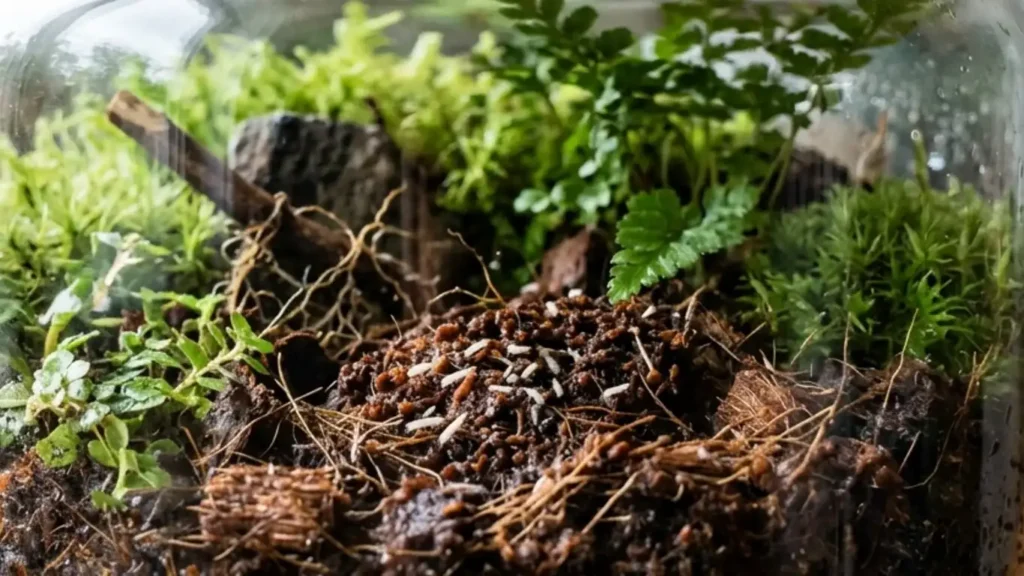
But there are positive small organisms around. For instance, there are insects or other microorganisms in bioactive enclosures that are purposely introduced for waste breakdown.
Determine the species first before doing anything. Remove contaminated material if possible, deal with the issue, and get advice from a reptile vet or other specialist if you are still stuck.
How Often Should You Change Reptile Substrate?
Not every reptile can be done on the same schedule. Some will need to have their substrate changed more often than not, while others may be able to keep their substrate for a longer amount of time.
It will vary according to species, substrate material, cage size, humidity, and degree of contamination. Spot-clean regularly, deep clean and replace (or sterilise) as necessary.
Choose a substrate based on how well it retains moisture and its texture, dustiness, as well as if it is good for the species you have. Just because a substrate may be good for a desert reptile, it may not be good for a tropical one.
Conclusion
It may be time to re-evaluate your reptile’s substrate if you’ve seen: Stale odour, mould, too much moisture, build-up of waste, colour changes, feel, or texture, and infestations.
Inspect frequently, clean often, and replace promptly to keep an environment that is clean, safe, and comfortable. Select products and equipment that are appropriate for your reptile’s species and husbandry needs.
Reptilair has substrates for any reptile setup. Choose the right product and stick to your cleaning routine to create a happier and healthier environment for your pet.