Natural products are increasingly in demand for creating animal environments, and coconut husk is a promising material. By extracting fibers from coconuts, you get ‘coir’, a product that can be treated and sorted into various types of ‘bedding’ for specific pet habitats. But how do you get from coconut husk to pet bedding?
1. What Is Coir?
Coir is a natural fibre extracted from the husk of coconuts. The coconut husk includes strong fibres and a softer, spongier material called coir pith, which can be processed and used for a variety of purposes, such as horticulture, household items, and some kinds of animal bedding.
As coconut husks are the main by-product from the processing of coconuts, converting them into coir products is a good way to make full use of this natural resource.
2. Collecting Coconut Husks
At the very beginning, the whole process starts by collecting the coconut husk from various farms, coconut-processing plants, as well as other potential sources. This product is usually collected after the outer shell of the coconut is peeled away.
Husks can be processed by the manufacturers to use as material for coir manufacturing instead of discarding the husk. Depending on the manufacturing method and end product, the husks are sorted and prepared for processing.
3. Extracting Coir Fibres
Once emptied, the coconut husks are treated in order to separate the inner, less dense “white” part from the tougher outer shell. After a drilling section may be utilized to streamline the soft stuff or you can mechanical treatment to individual the soft stuff from the tougher outer shell.
The coir is returned to the coir fibre contract, where they are processed into various coir fibre products, including coir fibre and coco pith, and returned for free. Coir fibre is used to produce coco mats and rope, among other coir products.
The selection of material depends upon the nature of texture and properties required for the specific application.
4. Processing and Preparing the Coir
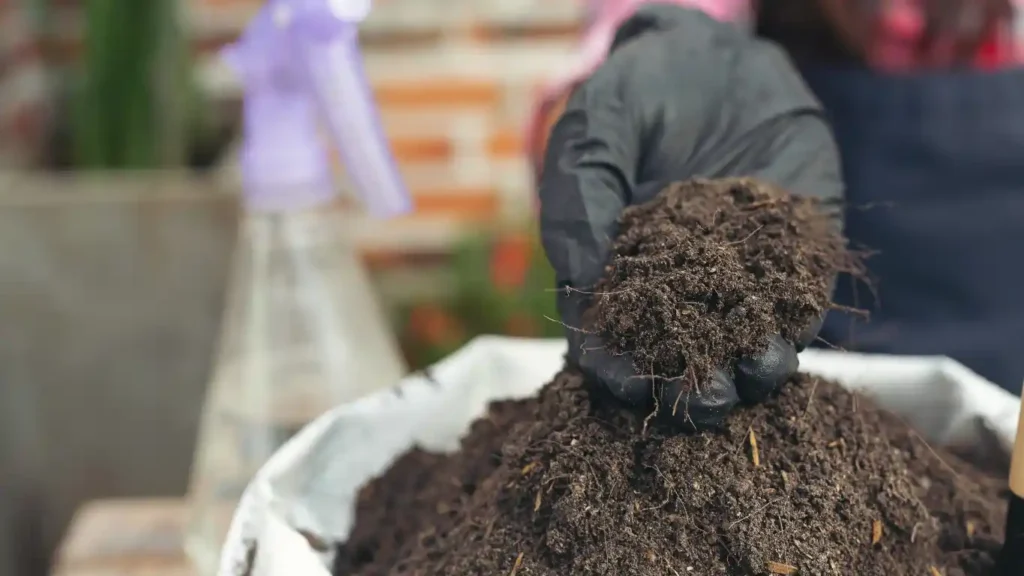
The coir must be processed prior to being used in the pet environment for which it is intended. This can include processes such as screening, cleaning, drying, and removing foreign debris. Further processing can create a desired consistency and moisture content.
The quality checks are essential to assure the quality of the finished product is suitable for the end use. In addition, in some applications, the coir is compressed into blocks or packages for easier handling.
The pet owner will want to adhere to the manufacturer’s directions for getting the material ready for use prior to putting it into an enclosure.
5. Turning Coir into Pet Bedding
Processed coir may be available as loose strands, granular pith, or blocks which swell back to their original size when soaked. It may be appropriate as a substrate or bedding for some pet enclosures, depending on the product.
Some reptiles need a coir product that, depending on the species, can help regulate humidity. However, this can be appropriate depending on the natural environment of the species and the animals’ needs.
If you are selecting a reptile bedding substrate, ensure that the product is appropriate for your reptile. Coir isn’t the ideal choice for all animals or setups, so choose carefully.
6. Benefits of Natural Coir
Coir offers several potential benefits when used appropriately:
– Natural material: Derived from a renewable agricultural resource – coconut husks.
– Handling moisture: Coir can absorb and retain moisture depending on its form and how it is prepared, possibly making it a good choice for situations where moist conditions are desired.
– Versatility: Various grades of coir have different applications, ranging from loose bedding to habitat substrate.
– By using the husks to produce coir, coconut husks can be put to better use.
By knowing why sustainable pet products matter, you can know not only if a material is natural, but also how you’re choosing to purchase, use, and dispose of a product in an informed way.
7. Choosing the Right Coir Bedding
Not every bedding material is suitable for your pet. When assessing coir, take into account your pet’s species, as well as the cage construction, humidity levels and behaviour. Ensure the label says what it’s for, and heed the manufacturer’s preparation and replacement recommendations.
Think about other risks such as ingestion, drowning, ventilation, and mould. If you are unsure if the substrate is suitable, check with a qualified veterinarian or a reputable, species-specific husbandry source.
From Coconut Husk to Pet Bedding
With the process starting from harvesting and separation of various sizes of coconut husk using different sizes of mesh, broken down, cleaned and separated with time finally preparing raw material for various use applications. Using coconut products for a pet habitat is another option for pet owners to consider.
Reptilair’s coir-based products show the value of natural products for specific pet-care niches. It is in the choice of bedding, however, that the most significant benefits can be realized by your pet, as well as the best course of effort to ensure your pet’s enclosure is both healthy and well maintained.